





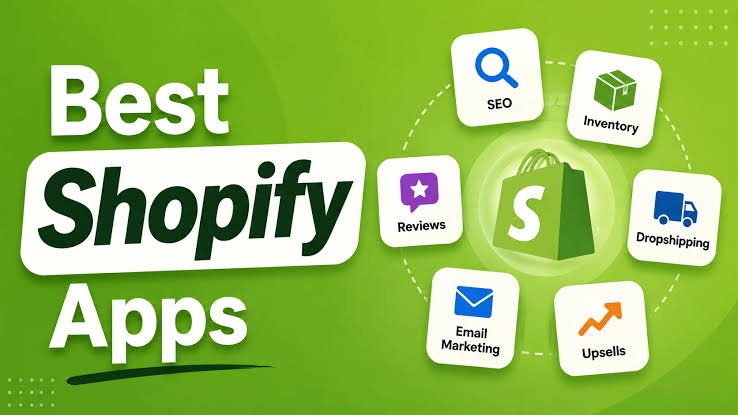
Running a successful online store is not just about having attractive products and a professional website. To grow your business, you need the right tools to improve sales, marketing, customer experience, SEO, and store management. This is where the best Shopify apps can make a significant difference.
Shopify offers thousands of apps designed to help store owners automate tasks, attract customers, increase conversions, and manage their businesses more efficiently. Whether you are launching a new store or looking to scale an existing business, choosing the right Shopify apps for online store growth can save time and improve your overall performance.
In this guide, we will explore some of the most useful types of Shopify apps and explain how they can help your online store grow.
Why Shopify Apps Are Important for Online Stores
Shopify provides many built-in features, but every business has different needs. Shopify apps allow you to add extra functionality without having to develop everything from scratch.
The right Shopify store apps can help you:
- Increase online sales
- Improve customer experience
- Recover abandoned carts
- Optimize your store for search engines
- Build email marketing campaigns
- Collect customer reviews
- Manage inventory
- Improve website speed and performance
- Automate repetitive tasks
- Track customer behavior and conversions
Instead of installing dozens of unnecessary apps, focus on tools that directly support your business goals.
1. Shopify SEO Apps
Search engine optimization is essential for attracting organic traffic to your online store. SEO apps can help you optimize product pages, meta titles, descriptions, images, URLs, and other important elements.
A good SEO app can make it easier to identify optimization opportunities and improve your store’s visibility in search engines.
When choosing among the best Shopify apps, look for SEO tools that offer features such as:
- Meta title and description optimization
- Image optimization
- SEO audits
- Sitemap management
- Broken link detection
- Structured data support
- Keyword optimization
SEO is a long-term strategy, so an effective app can help you maintain your store’s optimization as your product catalog grows.
2. Product Review Apps
Customer reviews can play an important role in building trust. When shoppers see genuine feedback from previous customers, they may feel more confident about purchasing a product.
Product review apps allow you to collect and display customer reviews, ratings, photos, and sometimes videos directly on your Shopify store.
The best review apps can help you:
- Collect customer feedback
- Display star ratings
- Add photo reviews
- Send automated review requests
- Showcase testimonials
- Build customer trust
For stores with many products, automated review collection can save considerable time while helping create valuable social proof.
3. Email Marketing Apps
Email marketing is one of the most useful ways to stay connected with customers. Instead of relying only on social media or paid advertising, you can build an email list and communicate directly with your audience.
Shopify apps for sales can help automate important email campaigns, including:
- Welcome emails
- Abandoned cart emails
- Product recommendations
- Promotional campaigns
- Customer follow-ups
- Post-purchase emails
- Win-back campaigns
For example, if a customer adds a product to their cart but does not complete the purchase, an automated abandoned-cart email can remind them to return to your store.
4. Abandoned Cart Recovery Apps
Many online shoppers add products to their carts but leave before completing their purchase. Abandoned cart recovery tools help bring some of these potential customers back.
These apps can send reminders through email, SMS, or other supported channels.
A good abandoned cart app may allow you to create automated campaigns based on customer behavior. You can also test different messages, timing, and offers to understand what works best for your audience.
For growing stores, recovering existing potential customers can be an important part of increasing revenue.
5. Upselling and Cross-Selling Apps
Upselling and cross-selling are effective strategies for increasing the value of each order.
Upselling encourages customers to choose a higher-value product, while cross-selling recommends complementary products.
For example, if a customer purchases a laptop, your store could recommend a laptop bag, mouse, or keyboard.
The best Shopify apps for growth often include features such as:
- Frequently bought together offers
- Product recommendations
- Post-purchase offers
- Cart upsells
- Related product suggestions
- Bundle deals
These tools can help increase average order value while making product discovery easier for customers.
6. Shopify Apps for Customer Support
Excellent customer service can help turn first-time shoppers into repeat customers. Customer support apps can provide live chat, automated answers, FAQs, and other communication features.
Customer support tools can help customers quickly find answers about:
- Shipping
- Returns
- Product availability
- Order status
- Payment methods
- Delivery times
Fast responses can reduce customer frustration and improve the overall shopping experience.
7. Social Media Marketing Apps
Social media is an important source of traffic for many eCommerce businesses. Social media apps can help connect your Shopify store with platforms where your customers spend time.
Depending on the app, you may be able to:
- Showcase products on social platforms
- Create social media feeds
- Share products automatically
- Track social campaigns
- Encourage social sharing
- Connect product catalogs with advertising platforms
Combining social media marketing with other Shopify eCommerce apps can help create a more connected customer journey.
8. Inventory Management Apps
Managing inventory manually can become difficult as your business grows. Inventory management apps can help store owners monitor stock levels, track products, and reduce the risk of selling items that are unavailable.
Useful inventory features may include:
- Real-time stock tracking
- Low-stock alerts
- Inventory forecasting
- Supplier management
- Purchase order management
- Multi-location inventory tracking
If your store has a large product catalog, investing in reliable inventory management can make daily operations much easier.
9. Shipping and Order Management Apps
Shipping is an important part of the customer experience. Customers want accurate delivery information, reasonable shipping options, and timely updates.
Shipping apps can help automate tasks such as:
- Shipping calculations
- Label printing
- Order tracking
- Delivery notifications
- Carrier integration
- Returns management
For growing businesses, automation can reduce manual work and help prevent order-processing errors.
10. Analytics and Conversion Tracking Apps
You cannot improve your Shopify store effectively if you do not understand how visitors behave.
Analytics apps can provide insights into traffic, sales, conversions, customer behavior, and product performance.
Important metrics to monitor include:
- Conversion rate
- Average order value
- Customer acquisition cost
- Revenue
- Cart abandonment rate
- Traffic sources
- Returning customer rate
Using data can help you identify which products and marketing channels are generating results and where improvements are needed.
How to Choose the Best Shopify Apps
With thousands of options available, choosing the best Shopify apps can be challenging. Installing too many apps may also create unnecessary costs and potentially affect store performance.
Before installing an app, consider:
1. Your Business Goals
First, identify the problem you want to solve. Do you need more sales, better SEO, improved customer service, or inventory automation?
2. App Reviews and Ratings
Check reviews from other Shopify merchants. Look for feedback about reliability, customer support, and ease of use.
3. Pricing
Compare free plans, monthly subscriptions, transaction fees, and additional costs before making a decision.
4. Store Performance
Avoid installing apps that add unnecessary scripts or features. Store speed and user experience are important for eCommerce success.
5. Integration
Make sure the app works smoothly with your Shopify theme and other tools already installed on your store.
Avoid Installing Too Many Shopify Apps
While apps can improve your store, more apps do not necessarily mean better performance. Installing too many tools can increase costs, create conflicts, and potentially slow down your website.
Instead, choose apps based on specific business requirements.
For example, a new store may need an SEO solution, review system, email marketing tool, and analytics platform. As the business grows, it may benefit from additional inventory, customer support, shipping, and automation tools.
The goal should be to create a streamlined collection of Shopify apps for online store management rather than installing every popular app available.
Conclusions
The right tools can make Shopify store management easier and help businesses create better shopping experiences. From SEO and reviews to email marketing, analytics, inventory, and customer support, the best Shopify apps can provide valuable functionality beyond Shopify’s standard features.
However, every store is different. Instead of choosing apps simply because they are popular, evaluate your specific goals, budget, store size, and customers.
By selecting the right Shopify apps for sales, marketing, automation, and customer experience, you can create a more efficient online store and build a stronger foundation for long-term eCommerce growth.
If you need professional help with Shopify store development, Shopify SEO, store optimization, or eCommerce growth, working with experienced Shopify professionals can help you choose the right tools and strategies for your business.