Digital marketing has become one of the most important ways for businesses to connect with customers in 2026. Whether you own a small business, run an online store, or want to build a personal brand, understanding what is digital marketing is the first step toward online success.
Unlike traditional marketing, digital marketing allows businesses to reach people through search engines, social media platforms, websites, email, and paid advertising. It helps brands increase visibility, generate quality leads, and build long-term customer relationships.
In this beginner-friendly guide, you’ll learn everything you need to know about digital marketing, its types, benefits, and why every business should invest in it.
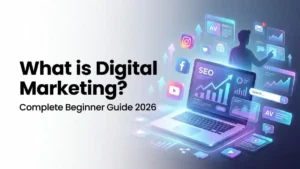
What Is Digital Marketing?
Digital marketing is the process of promoting products or services using digital channels such as Google, Facebook, Instagram, LinkedIn, YouTube, email, websites, and mobile applications.
The goal of digital marketing is to connect businesses with the right audience, attract visitors, convert them into customers, and build long-term relationships.
Today, businesses use digital marketing because it is measurable, cost-effective, and reaches people wherever they spend their time online.
Why Digital Marketing Is Important in 2026
As internet usage continues to grow, customers search online before making purchasing decisions. Businesses without a digital presence risk losing valuable opportunities.
Digital marketing helps businesses:
- Reach a global audience
- Generate targeted leads
- Build brand awareness
- Increase website traffic
- Improve customer engagement
- Measure campaign performance
- Achieve better return on marketing investment
Whether you’re a startup or an established company, digital marketing is now essential for sustainable business growth.
Types of Digital Marketing
1. Search Engine Optimization (SEO)
SEO improves your website’s visibility in search engines like Google. By optimizing your website with relevant keywords and quality content, your pages can rank higher in search results and attract organic traffic.
Benefits:
- Free organic traffic
- Higher search rankings
- Increased website authority
- Long-term online visibility
2. Pay-Per-Click (PPC) Advertising
PPC allows businesses to display paid ads on Google and other platforms. You only pay when someone clicks your advertisement.
Popular PPC platforms include:
- Google Ads
- Microsoft Ads
- YouTube Ads
PPC delivers immediate visibility and is ideal for generating leads quickly.
3. Social Media Marketing
Social media marketing involves promoting your business on platforms like:
- TikTok
- X (Twitter)
It helps businesses engage with audiences, increase brand awareness, and build loyal communities.
4. Content Marketing
Content marketing focuses on creating valuable content that educates and attracts customers.
Examples include:
- Blog posts
- Videos
- Infographics
- Case studies
- E-books
- Guides
Quality content improves SEO and builds trust with your audience.
5. Email Marketing
Email marketing remains one of the highest-converting digital marketing channels.
Businesses use emails to:
- Share promotions
- Send newsletters
- Announce new products
- Build customer relationships
- Increase repeat sales
6. Affiliate Marketing
Affiliate marketing allows individuals or companies to promote products and earn commissions for every successful referral.
Many eCommerce businesses use affiliate marketing to expand their reach.
7. Influencer Marketing
Brands collaborate with influencers who already have trusted audiences.
Influencer marketing helps businesses increase brand awareness and reach targeted customers through authentic recommendations.
Benefits of Digital Marketing
Some of the biggest advantages include:
- Cost-effective marketing
- Global reach
- Better customer targeting
- Real-time analytics
- Higher engagement
- Increased sales opportunities
- Improved customer experience
- Stronger brand presence
Digital Marketing Channels
Businesses commonly use:
- Google Search
- Google Ads
- YouTube
- TikTok
- Websites
- Mobile Apps
Using multiple channels together creates a stronger online marketing strategy.
Skills Required for Digital Marketing
If you’re starting your digital marketing journey, learn these essential skills:
- SEO
- Content Writing
- Keyword Research
- Google Ads
- Meta Ads
- Social Media Management
- Google Analytics
- Email Marketing
- Basic Graphic Design
- Marketing Strategy
Who Should Learn Digital Marketing?
Digital marketing is valuable for:
- Students
- Business owners
- Freelancers
- Entrepreneurs
- Marketing professionals
- Shopify store owners
- Bloggers
- Coaches
- Consultants
- Startups
How to Start Learning Digital Marketing
Follow these simple steps:
- Learn the fundamentals of digital marketing.
- Understand SEO and keyword research.
- Practice content creation.
- Explore Google Ads and Meta Ads.
- Build a simple website or blog.
- Learn Google Analytics.
- Stay updated with the latest marketing trends.
- Apply your knowledge through real projects.
Consistency and practical experience are key to becoming successful in digital marketing.
Common Mistakes Beginners Make
Many beginners:
- Ignore SEO basics
- Publish inconsistent content
- Target the wrong audience
- Skip website optimization
- Avoid analysing campaign performance
- Focus only on paid advertising
- Neglect email marketing
Avoiding these mistakes can help you achieve better results.
Future of Digital Marketing
Digital marketing continues to evolve with AI, automation, voice search, and personalised customer experiences. Businesses that adapt to new technologies while focusing on quality content and customer value will remain competitive in 2026 and beyond.
Conclusion
Understanding what is digital marketing is the first step towards building a successful online presence. Whether your goal is to grow a business, develop a career, or increase website traffic, digital marketing offers endless opportunities.
By learning SEO, social media marketing, content marketing, PPC advertising, and email marketing, you can reach more customers, build trust, and achieve sustainable growth. Start with the basics, keep learning, and apply your skills consistently to stay ahead in the ever-changing digital world.