




Meta Ads enable enterprises to target prospective clients on Facebook and Instagram. But more money doesn’t always mean better results, however. Businesses can end up spending their ad dollars on the wrong target audience, poor ads or ads that don’t sell if they don’t have a strategy behind their advertising.
Meta Ads budget optimization is a tool provided by Facebook and Instagram to help businesses optimize their budgets and achieve better results. In this guide, we will show you how you can optimize the spending on Meta Ads, reduce Meta Ads spend, and boost your return on ad spend (ROAS) through effective Meta Ads cost optimization.
What Is Meta Ads Budget Optimization?
In optimizing your advertising budget, Meta Ads optimize budgets to ensure your money is not wasted. This includes campaign performance and analysis, targeting relevant audiences, advertisement testing, and effective budget allocation.
The intent is not only to save money. Optimizing your Meta Ads budget is about getting the best ROI on your ad spend, whether that involves more leads, sales or conversions. An effective Facebook Ads budget strategy can help businesses make informed advertising decisions.
1. Identify Clear Advertising Objectives
Determine the goals for a campaign. This may be to create leads, boost website sales, boost traffic or raise brand awareness.
Select a campaign goal that fits your business objective. If you’re looking for customer questions, then you should think about getting qualified leads.
Setting clear goals will allow you to track the success of your campaign and allocate your advertising budget more effectively. Clear objectives are an important part of Meta Ads campaign optimization.
2. Make Sure to Reach the Right Audience
Audience targeting is crucial to minimize wasted ad spend. Your advertising budget could be higher if your advertising is directed at people who are not likely to buy your products or services.
To enhance targeting, use these practices:
- Specify your target customer and target area.
- Employ the audience signals that are suitable to your business.
- Test custom audiences based on eligible customer, site information.
- Try retargeting those who have interacted with your business in the past.
- Keep unnecessary targeting restrictions to a minimum.
The best audience is based on your offer, campaign goal, and data you have available. Try out various strategies and analyze the outcomes, comparing them before making significant changes. The right audience can support better Facebook and Instagram advertising performance.
3. Learn How to Optimize Your Ad Creatives
Your ads should grab your prospects’ attention and provide value in a hurry. Poor photos, unclear headlines or lack of persuasive copy can lead to diminished campaign effectiveness.
Utilize top-quality images or videos, compelling headlines, brief descriptions, and a timely call to action. Describe your product/service and how it addresses a customer’s problem.
Experiment with creatives and messages, and determine which are working better. Help you leverage your budget more efficiently, Strong creatives aid in the budget optimization of Meta Ads. Testing creatives is an important part of Meta Ads performance optimization.
4. Monitor Important Advertising Metrics
It’s impossible to optimize your budget without knowing how campaigns are performing. Monitor these important metrics in Meta Ads Manager:
- Cost per result: The cost incurred to achieve a specific result (e.g., a lead or sale).
- Click-through rate (CTR): The ratio of clicks to impressions.
- Cost per click (CPC): Average cost per click.
- Conversion rate: The percentage of visitors who take a desired action.
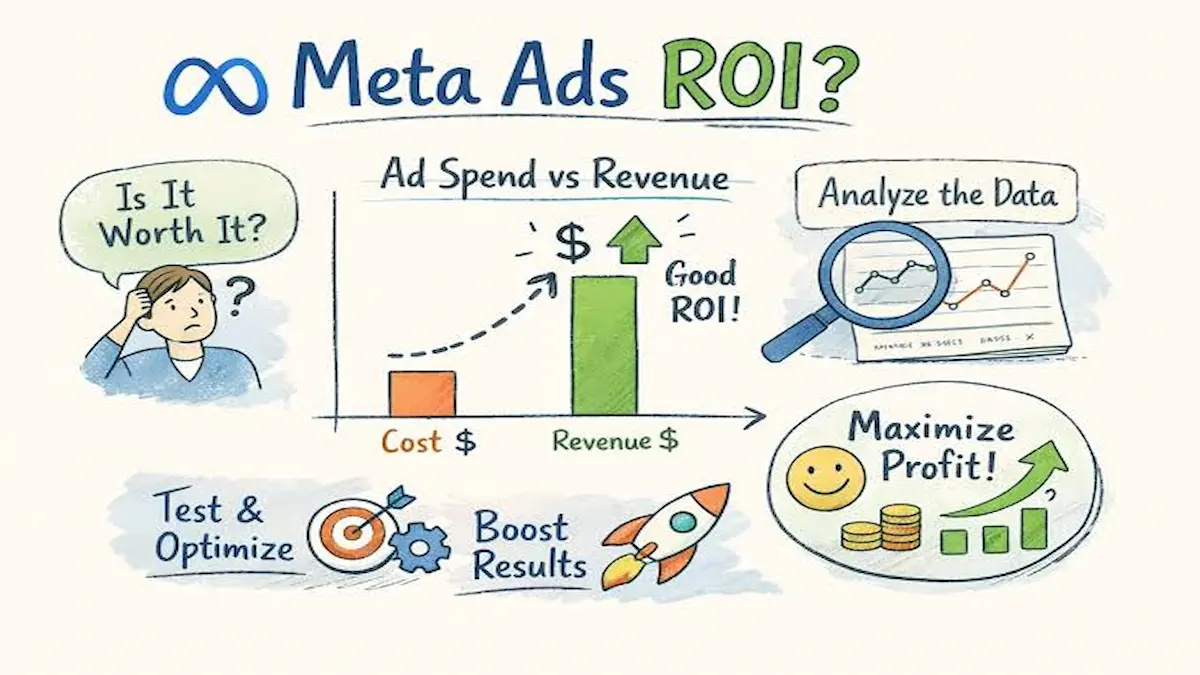
- Return on ad spend (ROAS): Ad revenue / Ad spend.
This means that an investment of $100 which results in $400 attributed revenue yields a 4x ROAS. But it’s a revenue, not profit. The cost of the product and other business expenses also have to be taken into account.
Checking on these metrics periodically can reveal underperforming campaigns and opportunities to make changes to improve performance. Tracking these figures supports informed Meta Ads budget optimization decisions.
5. Make Smart Use of Your Money
All campaigns are not created equal. Analyze your campaigns regularly, and determine which ones bring a good return on investment and a good rate of valuable conversions.
Begin with a budget that your business is able to pay for. Provide campaigns enough time and information to assess results and make incremental changes when they are warranted by the results.
There are two budgets options available: at the campaign level and ad-set level. Select the method that best fits your campaign structure and the amount of control that you want to have. A suitable Facebook Ads budget strategy can help you allocate spending more effectively.
Do not make abrupt or large increases in expenditures or make multiple changes at once. By using a structured approach to Meta Ads budget optimization, you can make informed decisions instead of reacting to short-term fluctuations.
6. Optimize Your Landing Page
There are times when ads do a good job and the visitors don’t convert. This can occur due to the landing page not loading quickly enough or the offer is not clearly understood or the contact form is not easy to fill out.
To improve conversions:
- Optimize your website for mobile devices.
- Make web pages load faster.
- Create engaging and relevant headlines.
- Match the landing page content with your advertisement.
- Simplify forms and purchasing process.
Another important thing to review is conversion tracking, which can be done using tools like the Meta Pixel and the Conversions API (if applicable). With accurate tracking, you can determine which campaigns are driving results towards your business objectives. Better landing page performance also supports Meta Ads cost optimization by helping turn relevant visitors into customers.
7. Conduct Test and Optimization Exercises Regularly With Campaigns
Consistent testing is the key to advertising success. To examine a variety of creatives, audiences and messages to see what works.
Experiment with a single variable at a time if possible and have enough data to assess the impact of the variable. Never stop a campaign for a short period or based on just a few clicks.
Think about lead quality, actual sales and profitability in combination with the cost of advertising. This is a more effective and sustainable way of optimizing Meta Ads. Regular testing is essential for Meta Ads campaign optimization and improving ROAS.
Conclusion
Businesses can manage their advertising costs and enhance campaign effectiveness with the help of Meta Ads budget optimization. Businesses can strategically use their budgets by establishing clear objectives, identifying the right audience, designing effective ads, tracking key performance indicators and optimizing landing pages.
Don’t forget, it’s not about slashing ad costs. It’s meant to create quality leads and sales that your business can afford. By applying the right Meta Ads cost optimization techniques, businesses can work towards improving ROAS and achieving more sustainable advertising results.