
SEO Details
- Meta Title: Link Building: Complete Beginner’s Guide for 2026
- Meta Description: Learn link building from scratch. Discover what backlinks are, why they matter for SEO, and 10 proven link building strategies to rank higher.
- URL Slug: /link-building-beginners-guide
- Focus Keyword: link building
- Secondary Keywords: backlinks, link building strategies, how to build backlinks, guest posting, domain authority, anchor text, SEO
Introduction
If you want your website to rank on Google, link building is one skill you cannot ignore. Content and technical SEO matter, but without quality backlinks, even the best pages struggle to reach page one. Search engines treat links as votes of trust, and the more trusted votes you earn, the more visible you become.
This beginner’s guide explains what link building is, why it matters, and the most effective link building strategies you can start using today, even with zero experience and a small budget.
What Is Link Building?
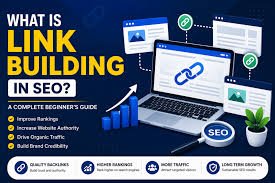
Link building is the process of getting other websites to link to your website. These incoming links are called backlinks. When a respected website links to your page, it signals to Google that your content is valuable, relevant, and trustworthy.
Think of it like recommendations in real life. If five trusted experts recommend a restaurant, you are more likely to try it. Backlinks work the same way for websites.
Why Link Building Matters for SEO
Google’s algorithm uses hundreds of ranking signals, and backlinks remain one of the strongest. Here is why link building deserves a place in your SEO plan:
- Higher rankings: Pages with more quality backlinks generally rank better for competitive keywords.
- More referral traffic: A link from a popular site sends real visitors to your website.
- Faster indexing: Search engine bots discover your new pages quicker when other sites link to them.
- Increased domain authority: Strong links raise your site’s overall authority and credibility.
- Brand awareness: Being mentioned and linked on respected sites builds trust with your audience.
Types of Backlinks
Not all backlinks are equal. Understanding the types helps you focus your efforts.
Dofollow vs. Nofollow Links
A dofollow link passes authority (often called link juice) from one site to another. A nofollow link tells search engines not to pass that authority. Both are natural in a healthy backlink profile, but dofollow links usually carry more ranking value.
Editorial Links
These are links other sites give you naturally because your content is useful. They are the most valuable type of backlink.
Manual or Outreach Links
These are links you earn by reaching out to site owners, such as through guest posting or link requests.
Self-Created Links
These come from directories, forums, and profiles. They are easy to get but carry little value, and overusing them can look spammy.
What Makes a Good Backlink?
Before you start building links, know what to look for. A high-quality backlink usually has these traits:
- Relevance: The linking site is related to your niche.
- Authority: The site has strong domain authority and real traffic.
- Natural placement: The link sits inside helpful content, not in a footer or sidebar full of links.
- Good anchor text: The clickable text is descriptive and natural, not stuffed with keywords.
- Trust: The site is free from spam, adult, or gambling content unless that is your niche.
Remember: one link from a respected industry blog is worth more than 100 links from low-quality directories.
10 Link Building Strategies for Beginners
Here is how to build backlinks step by step.
1. Create Link-Worthy Content
The foundation of all link building is great content. Publish original research, in-depth guides, templates, infographics, and free tools. People link to content that helps them or saves them time.
2. Guest Posting
Guest posting means writing an article for another website in your niche in exchange for a link back to your site. Choose relevant blogs, pitch useful topics, and always deliver high-quality writing. Avoid sites that openly sell guest posts in bulk.
3. Broken Link Building
Find broken links on other websites, then suggest your content as a replacement. Webmasters appreciate the help, and you gain a backlink. Tools like Ahrefs or a free Chrome extension can help you spot dead links.
4. The Skyscraper Technique
Find popular content in your niche, create something noticeably better, and contact the sites linking to the original to share your improved version.
5. Resource Page Link Building
Many sites maintain pages that list helpful resources. If your content fits, politely ask to be included.
6. Digital PR and HARO-Style Outreach
Respond to journalist requests with expert quotes and data. Platforms like Qwoted, Featured, and similar services connect experts with reporters, and successful responses often earn links from news sites.
7. Unlinked Brand Mentions
Sometimes websites mention your brand without linking. Search for your brand name, find these mentions, and kindly ask the author to add a link.
8. Competitor Backlink Analysis
Use tools to see where your competitors get their links. If a site links to them, it may link to you too if you offer something similar or better.
9. Build Relationships and Network
Engage with bloggers, journalists, and influencers on social media and in communities. Real relationships often lead to natural links over time.
10. Create Linkable Assets
Calculators, statistics pages, glossaries, and case studies attract links repeatedly because others use them as references.
How to Do Link Building Outreach
Outreach is where many beginners fail. Follow this simple approach:
- Personalize every email. Mention the person’s name and a specific article they wrote.
- Keep it short. Three to five sentences is enough.
- Offer value first. Explain why your content helps their readers.
- Follow up once or twice. People are busy, and a polite reminder works.
- Be patient. Response rates of 5 to 10 percent are normal.
Common Link Building Mistakes to Avoid
- Buying links: Paid links that violate Google’s guidelines can lead to penalties.
- Over-optimized anchor text: Using the exact same keyword every time looks unnatural.
- Chasing quantity: A few strong links beat hundreds of weak ones.
- Ignoring relevance: Links from unrelated sites add little value.
- Using private blog networks (PBNs): They are risky and can destroy your rankings.
- Expecting overnight results: Link building is a long-term investment, and results often take three to six months.
Best Link Building Tools
You do not need expensive software to start, but these tools make the work easier:
- Ahrefs and Semrush: Backlink analysis, competitor research, and link opportunities.
- Google Search Console: A free way to see who links to your site.
- Moz Link Explorer: Domain authority checks and basic backlink data.
- Hunter.io: Finding email addresses for outreach.
How to Measure Link Building Success
Track these metrics to know whether your link building is working:
- Number of new referring domains each month
- Quality and authority of linking sites
- Keyword ranking improvements
- Organic traffic growth
- Referral traffic from backlinks
Review your backlink profile regularly and disavow toxic links only when they are clearly harmful.
Conclusion
Link building is the backbone of successful SEO. Start with excellent content, focus on relevance and quality, and use ethical link building strategies such as guest posting, broken link building, and digital PR. Be consistent, stay patient, and avoid shortcuts that put your site at risk.